Bread and circuses, and a book

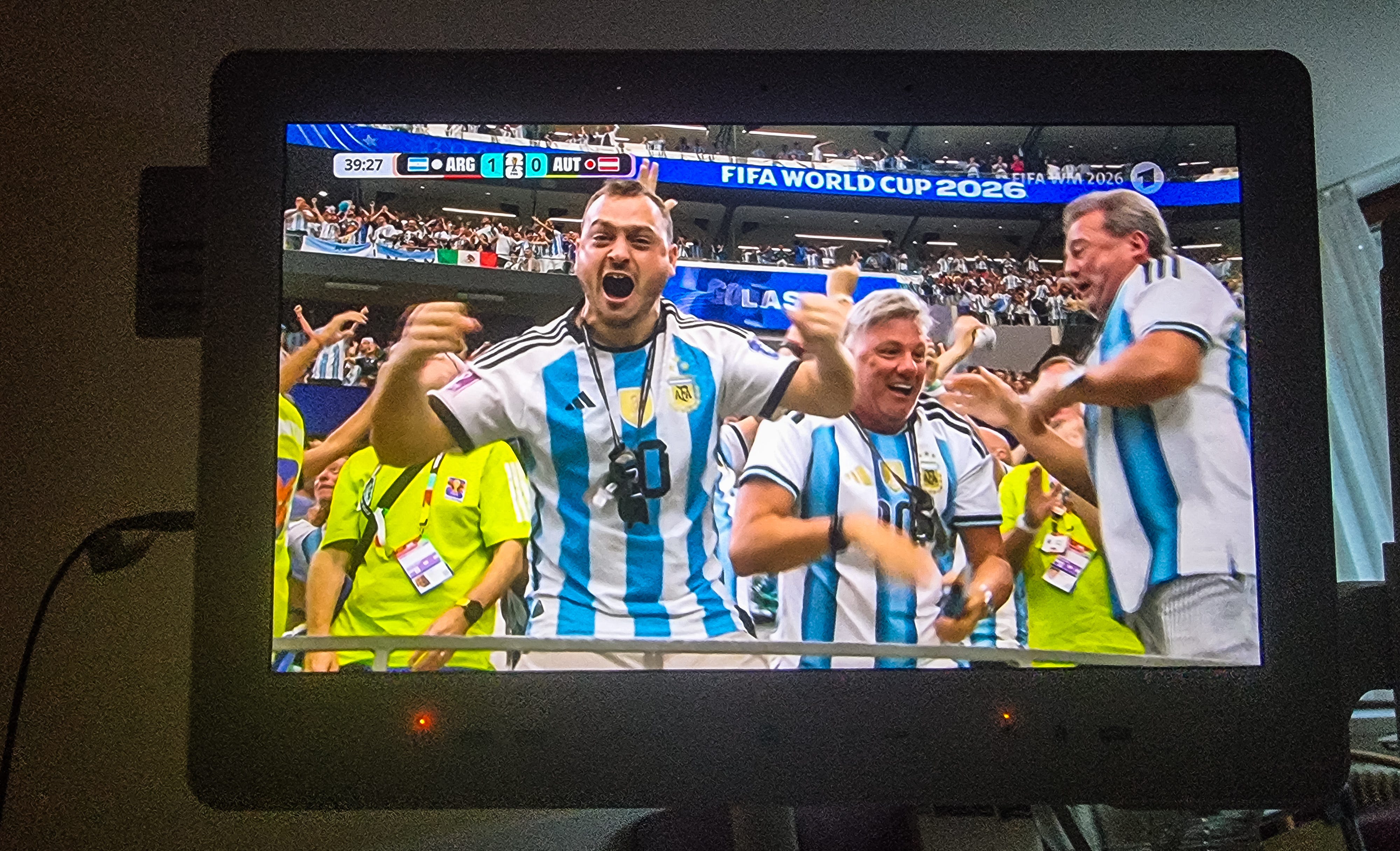
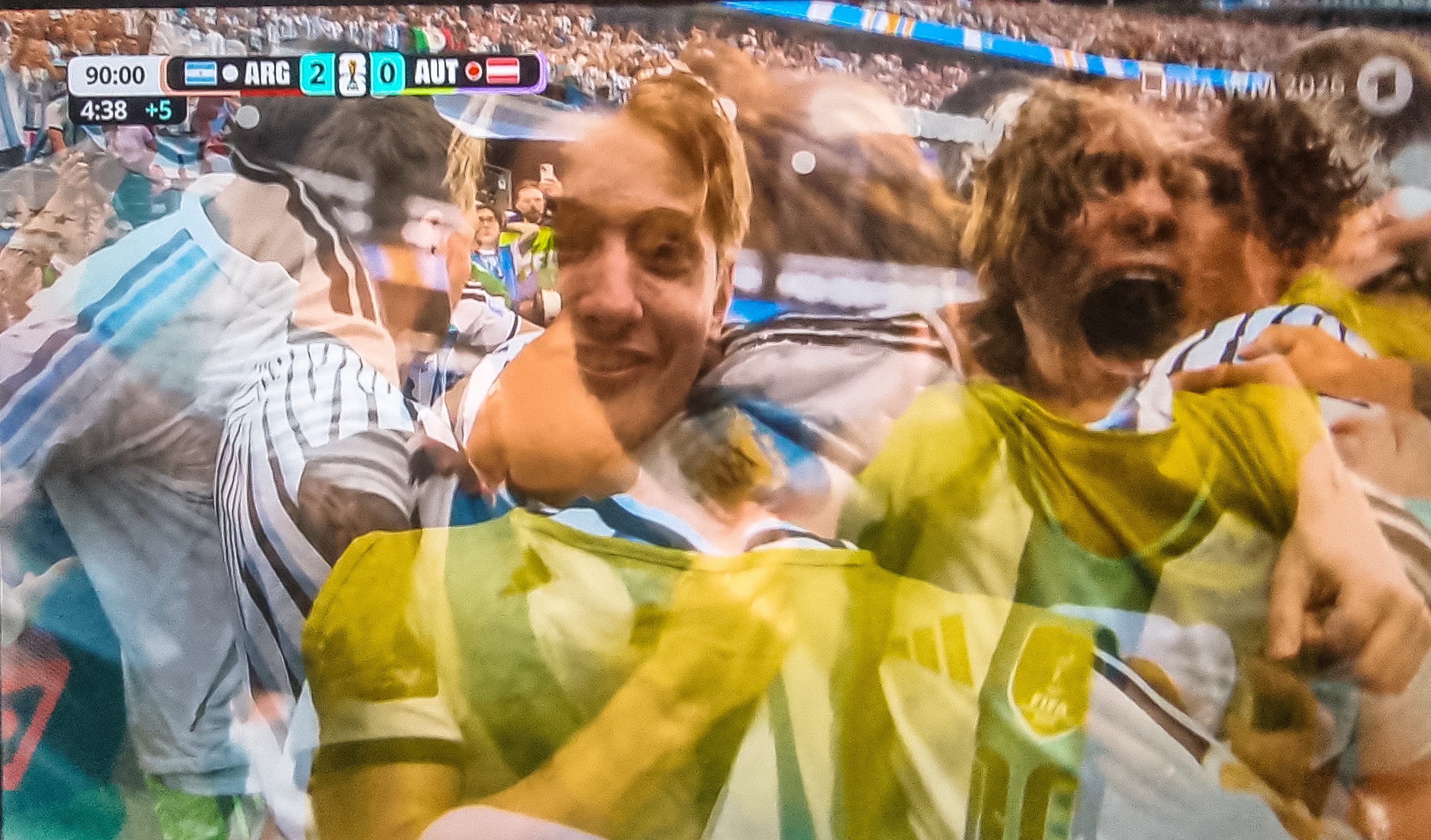
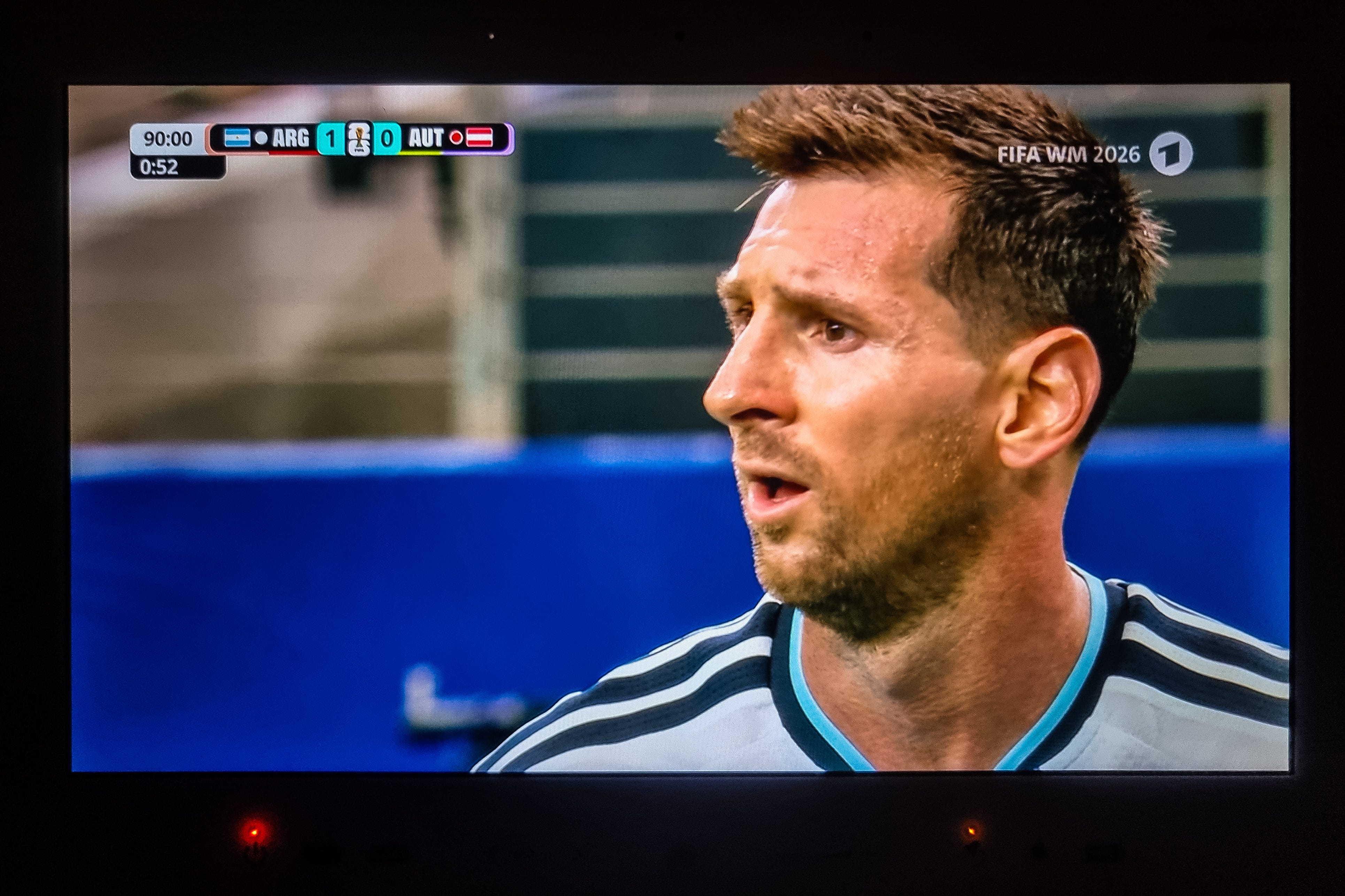
Somehow it’s handy that I happen to be in hospital just when the World Cup is on. It gives me something to look forward to all day, and the evening passes more quickly as a result. You don’t even have to think about which match is worth watching; you’re just grateful for whatever’s on, even if Belgium are playing Iran and it’s 0–0.
I don’t want to comment at all on what’s being discussed on all the channels – the fact that two countries that were at war with each other are competing in the tournament, and what the consequences of that are. Nor do I want to draw any parallels with Mussolini’s 1934 World Cup in Italy or the 1936 Olympics in Berlin. I simply hope that the Americans manage to free themselves from the fascist cesspit into which they have slipped. No one will come to their aid this time; they’ll have to manage it under their own steam. Nor am I concerned with denouncing FIFA, that gigantic money-making machine, or getting worked up about the fact that athletes have been reduced to high-value commodities. But there’s no denying that these are hordes of mercenaries who are pitted against one another in highly elaborate ways for the spectators’ amusement. And that brings us back to the title. As bread for the masses becomes ever scarcer, the Games simply have to be made more elaborate to distract from that.
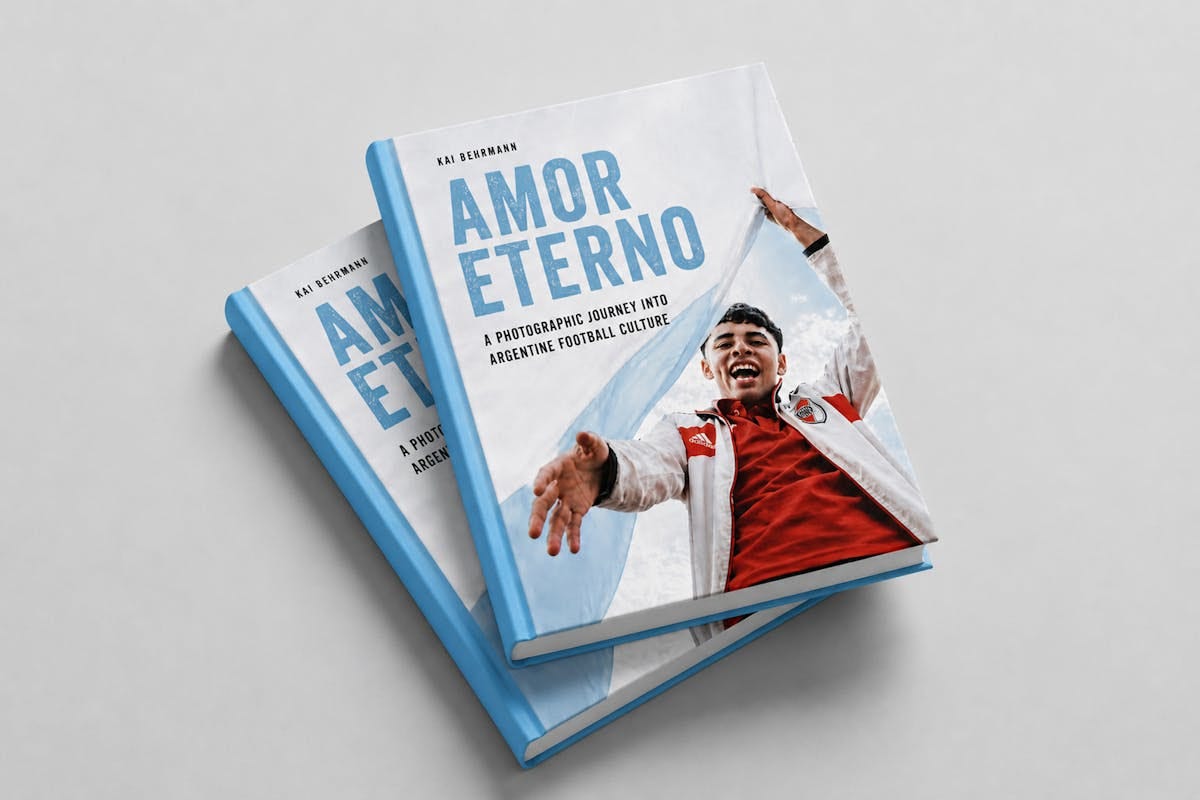
None of that was the reason for my post here, but rather a call to everyone who loves football even more than I do to get involved in Kai Behrmann’s crowdfunding campaign for his book *Amor Eterno*. Kai Behrmann approaches the subject from a perspective all of his own. Through his connection to Argentina and his time spent there, he beautifully illustrates the fertile ground of enthusiasm and talent on which such a world champion thrives. It’s not just about the game, but about the emotions and history surrounding the round ball that has to find its way into the net.
Here’s a quote that shows how Kai always presents his photography within a narrative context born of his own experiences. He writes:
“In 2009, I was drawn back to Argentina, this time with a press pass. It was a strange constellation: Diego Maradona, the idol, was the national team manager. And Lionel Messi, his designated heir, was set to finally prove in South Africa that he was the best even in the national team’s strip. Many didn’t believe it. He was accused of having remained a stranger to his compatriots, of not even knowing the words to the national anthem, of not really being a proper Argentine. Messi himself recounted at the time just how much this affected him: after some international trips, he wouldn’t speak for days on end.
I set out to follow in their footsteps. But – and this is the real point – it wasn’t the press conferences that appealed to me. It was the journey back to their roots.
In Rosario, I visited Gonzalo Diaz – Messi’s strike partner from his childhood days at the local club Abanderado Grandoli. From his bedroom window, he looks out onto the dusty football pitch where it all began. On the wall, behind glass, hangs a tiny orange-and-white shirt, children’s size XS. “I always saved the ball for Lionel,” he said. On the kitchen table lay an almost complete Panini album – only one picture was still missing: that of his old strike partner.”
Whenever I watch the matches, I’m always struck by the press photographers who are still there. What on earth could possibly justify their presence, given the 360° all-round video coverage? But I suppose it’s the fascination with those frozen moments. I’m curious to see if anything iconic will emerge from that angle.
I’ve just realised that this topic is actually far too big for me, and I’m not interested enough in it to have anything more to say. But I’ve fulfilled my aim of drawing your attention to this unique book that’s coming out, so I’ll conclude with this question: do you think the Argentinians will do it again, and if not, who will knock them off their throne?